craig melville take 5 comedy little black book naked city films
In Conversation with Craig Melivlle

Directing the Punchline: Craig Melville on the Rhythm of Comedy and Storytelling in Take 5

In Conversation with Craig Melivlle
TalentJune 6, 2001

Directing the Punchline: Craig Melville on the Rhythm of Comedy and Storytelling in Take 5

Naked City Films director Craig Melville has built a career around making people laugh, whether through cheeky ad campaigns, sharp comedy series, or cross-continental collaborations.

In this conversation, he talks about his transition to the U.S., the intricacies of comedic timing, why jokes don’t always land the same way when they cross the equator, and a recent project, Take 5 with Zan Rowe.

Take 5 and the Art of Emotional Storytelling

Q: For those unfamiliar, how would you describe Take 5 with Zan Rowe? What’s the core of the show?

Craig Melville: It’s originally based on a radio show Zan Rowe hosted for a long time on Triple J, kind of like the BBC’s Radio 1. It’s part of the ABC, which is our version of the BBC, and it’s become an institution in its own right.

The TV show takes that format and adapts it. Essentially, Zan invites guests, usually musicians but also comedians, actors, or other public figures, and each guest is asked to pick five songs based on a specific theme. The songs aren't just favorites; they’re tied to particular memories, stories, or emotional moments in their lives. Then, over the course of the half-hour episode, they play those songs and talk about them. It’s wall-to-wall music, but layered with personal storytelling.

Q: What kind of themes are we talking about? Are they always emotional?

Craig Melville: They vary a lot. Some themes are more reflective or nostalgic, others are really personal. I remember one episode with Dannii Minogue, Kylie Minogue’s sister, where she talked about a song that was playing in the hospital when Kylie was being treated for breast cancer. They can get pretty emotional. The music ends up triggering really strong memories, and that’s where the show’s power lies.

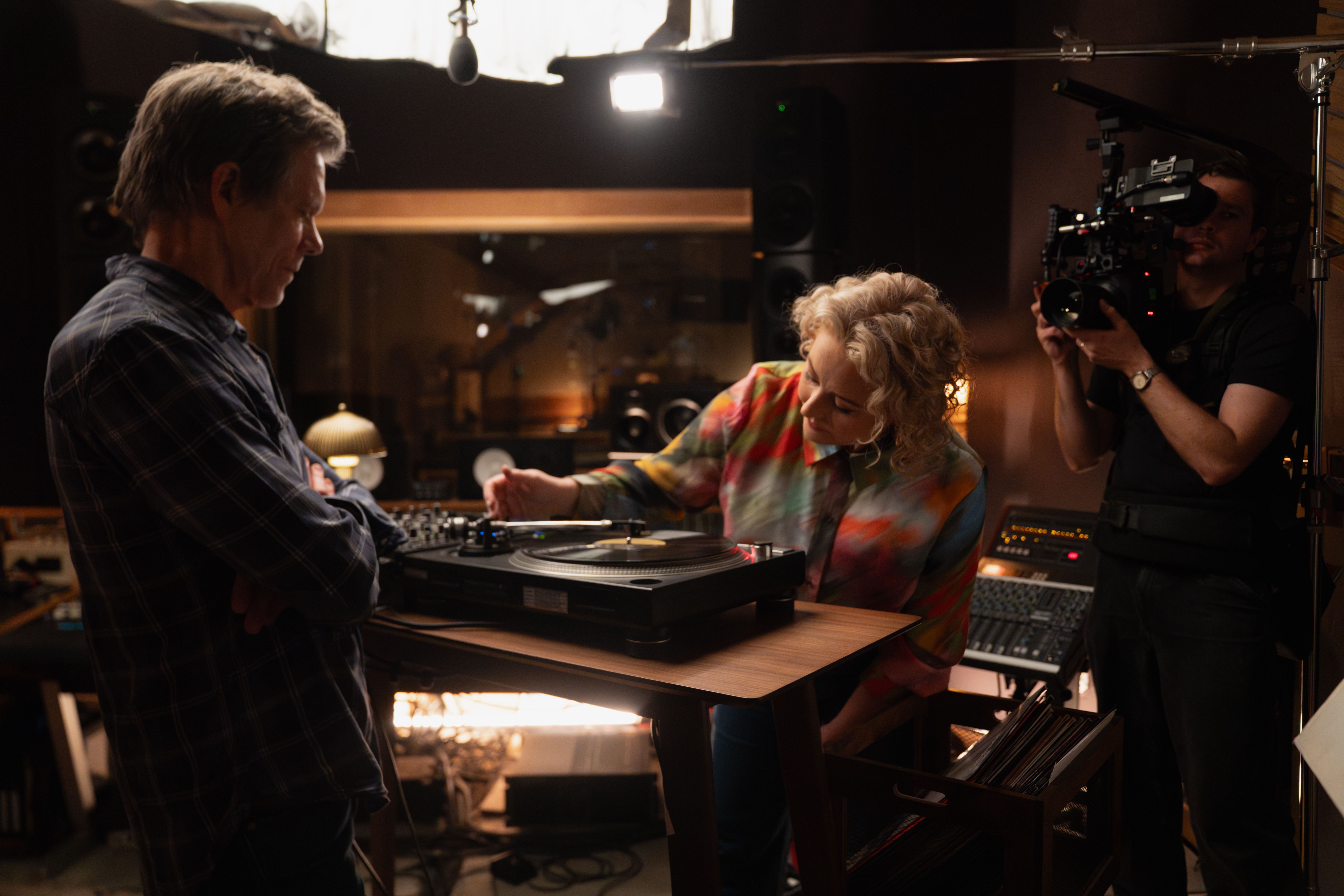
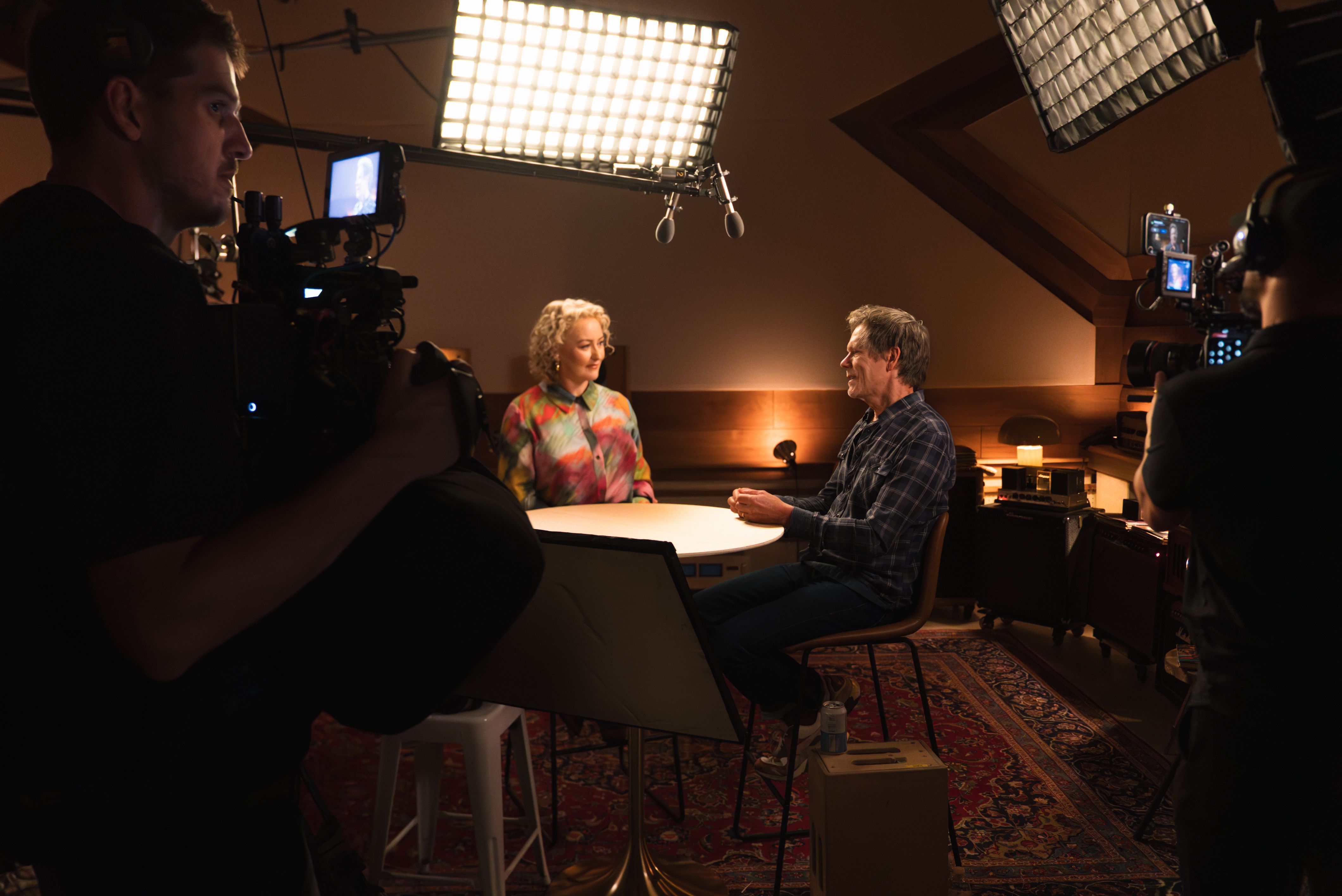
Q: You directed an episode featuring Kevin Bacon and Aaron Chen. Can you tell me more about that shoot?

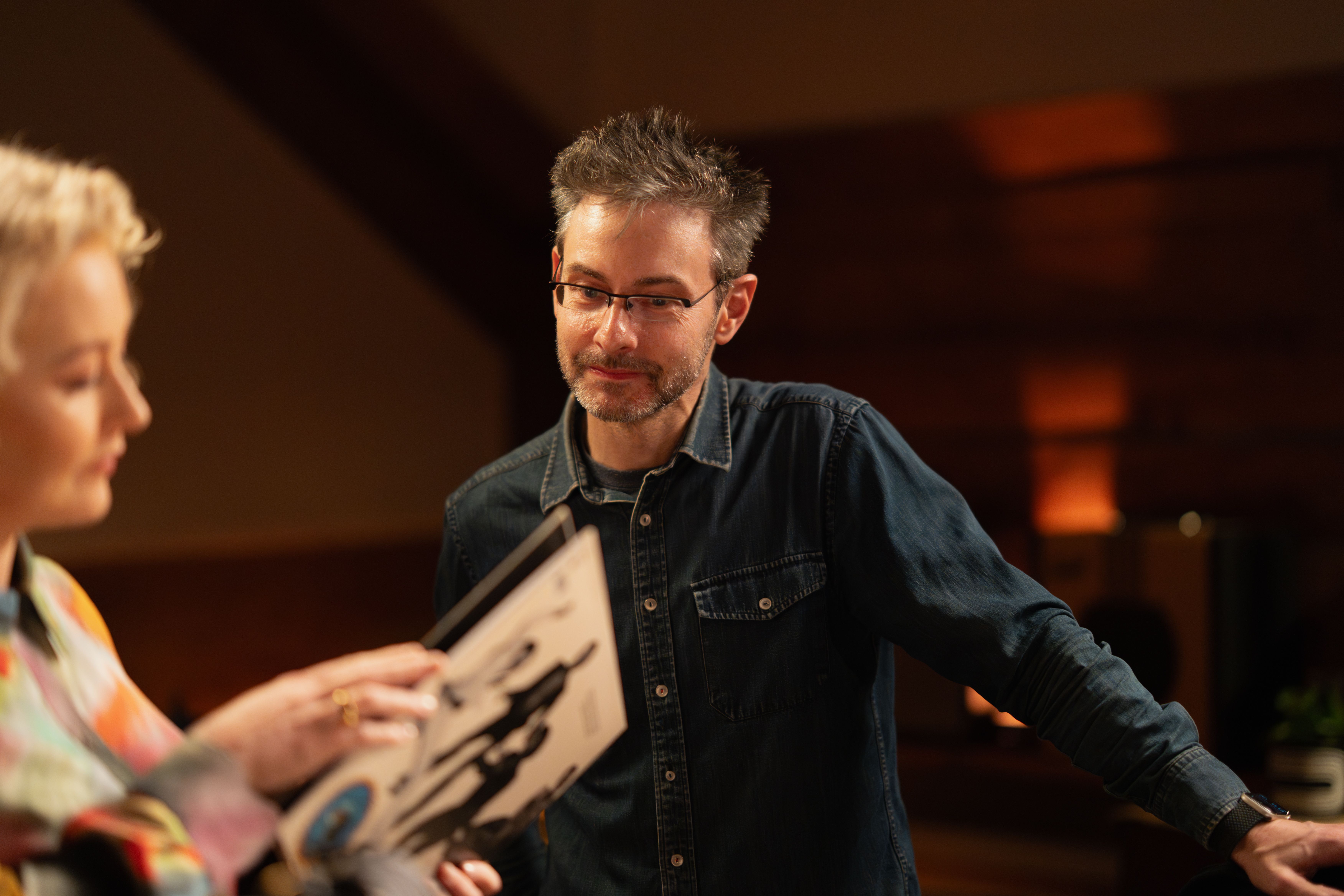
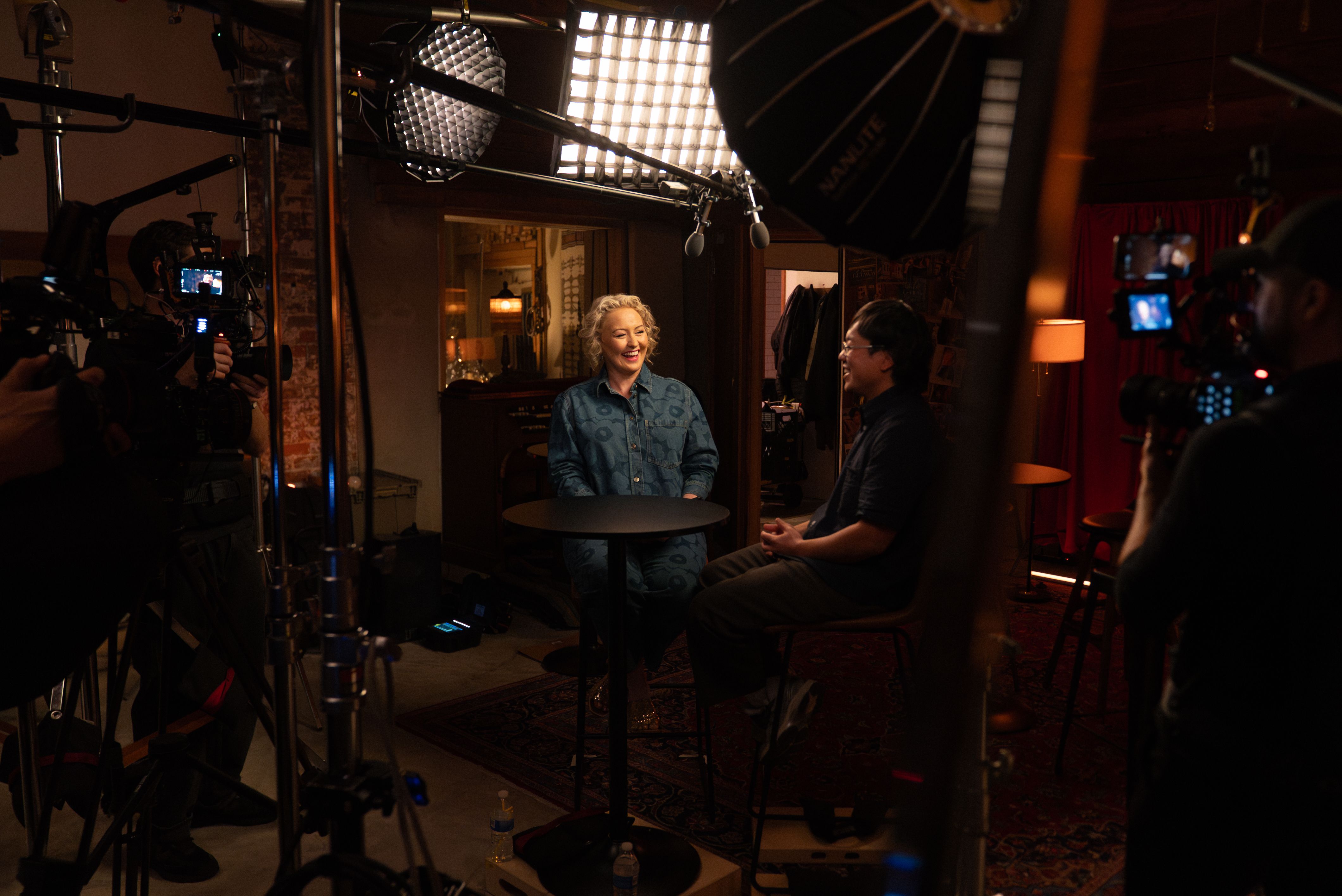
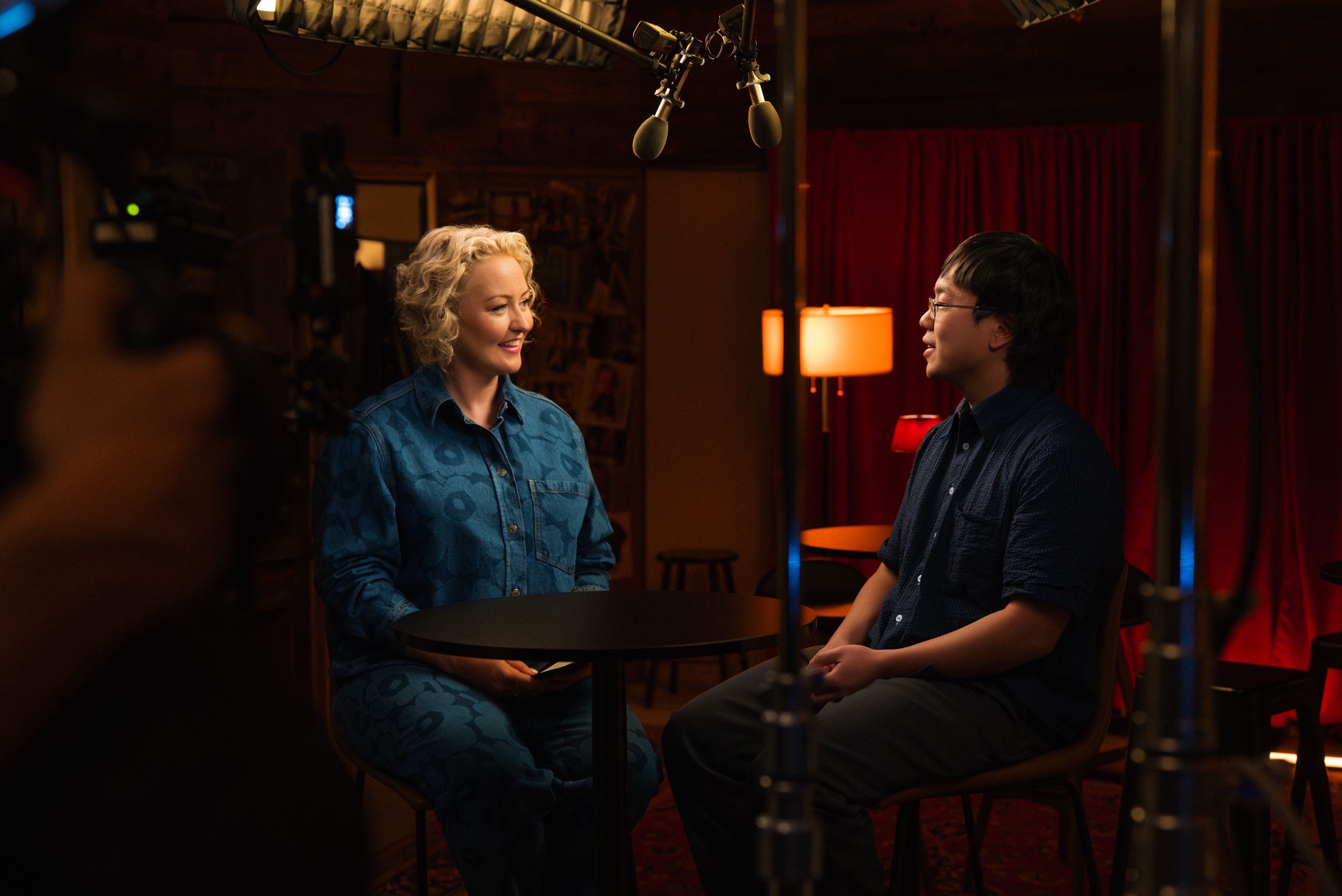
Craig Melville: We had Kevin for about 90 minutes and turned that into a half-hour episode. It’s a quick turnaround, but the format is streamlined in a way that makes that doable.[For Aaron] It was a very similar process to what we did with Kevin, really. Same setup, same format. The main difference was that we had a bit more time with Aaron. Kevin was on a tight schedule, he was doing press for The Bondsman, I believe, so we only had a short time with him. With Aaron, we had a bit more breathing room.

Q: Did the extra time change how you approached the shoot?

Craig Melville: Definitely. It gave us more flexibility with the studio. We made some changes to the setup to give it a different look, which took a bit longer, but it was worth it. Aaron was fantastic, he’s genuinely funny, and his comedy plays into this slightly awkward, offbeat vibe. He leans into that awkwardness in a way that’s really charming.

Q: You've directed both TV and commercials. What stood out to you as the biggest difference when working on Take 5 compared to commercial directing.

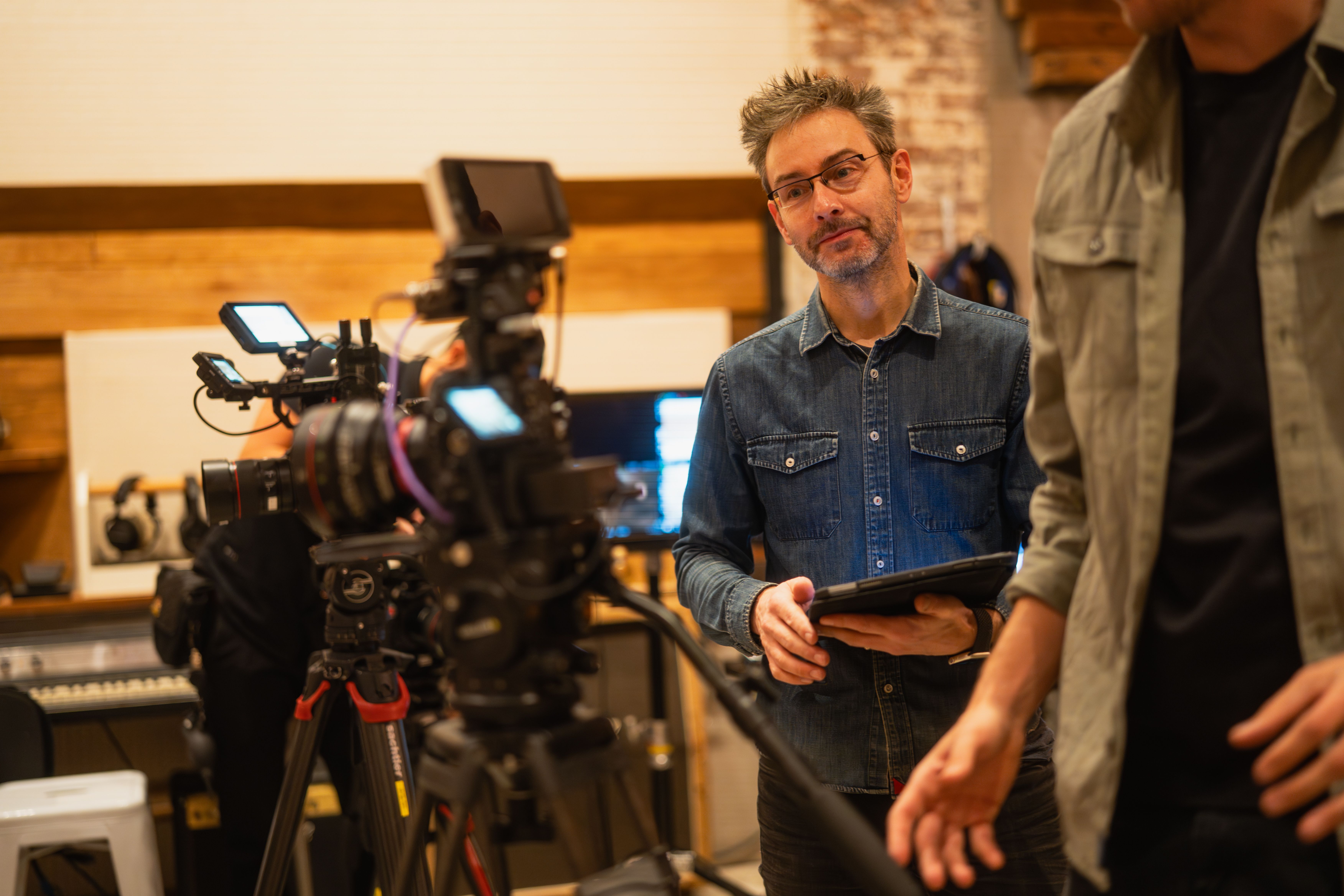
Craig Melville: It really depends on the type of show, but with Take 5, I was almost acting more like a producer than a traditional director. There was no other director, it was just me, but the bulk of the important work came in the preparation: making sure everything came together and matched the aesthetic of how the show is shot back in Australia. A lot of decisions were made to honor the way the show had previously been done.

It’s a very different rhythm. With comedy, especially sketch or satire, timing is everything—pacing, punchlines, audience reactions. Take 5 is much more introspective. As a director, your job is to create space for vulnerability, to help your subject feel comfortable enough to go there emotionally.

Australian vs U.S. Comedy

Q: When you moved from Australia to the U.S., did you notice any major differences in comedic sensibility?

Craig Melville: Generally, people seem to feel like American comedy is maybe a bit more earnest. In Australian and British comedy, it tends to be a bit harsher, you know? I think we sort of have some of that same kind of thing, it’s not uncommon. It feels like, in America, people are a little bit more careful about what they say.

But then there are shows like The Office that obviously play into those awkward moments where someone says the wrong thing. Still, I think Australian and British comedy leans into being less polite. Someone, I think it might’ve been Ricky Gervais, once said: in America, if you get a haircut, people say “Nice haircut” and mean it. In the UK or Australia, people say “Nice haircut” and are teasing you about it.

Q: Did you have to adjust your timing or comedic style to align more with American expectations?

Melville: I don’t know if there was a conscious shift, but I think it depends on the sort of comedy you’re doing. One thing that does come to mind is that when you're from a smaller culture than the American one, which is so globally dominant, it’s easy to forget that some of your references don’t translate.

Australians are really exposed to American culture: we know your celebrities, politicians, language, all of it. But we also have our own thing. Sometimes I forget that certain words or turns of phrase are uniquely Australian. You’ll say something and then realize, “Oh, that’s not a thing here.”

Q: Do you have any examples of that?

Melville: I’ve got a list on my phone somewhere, hundreds of different sayings we use that just don’t translate. Some of them are obvious, like saying “jumper” instead of “sweater.” But others are more obscure and completely confuse people. You’d never realize how specific your language is until you're trying to make a joke that falls flat because no one knows what you're talking about.

Q: That sounds like a big factor when working on comedy that relies on shared cultural references.

Melville: Exactly. I did a short film with Julian Dennison for Air New Zealand, actually. The premise of that campaign was all about how Christmas in the Southern Hemisphere is in the summer. So those songs like White Christmas or Frosty the Snowman? We get them, but they don’t make sense to us. It’s hot outside.

What surprised me is that a lot of people in the Northern Hemisphere didn’t even realize it’s summer during Christmas for us. They just assumed it was hotter, like Florida. Even really smart people have said, “Wait, what?” And then I end up explaining the Earth’s tilt and basic geography! When we made that piece, it didn’t really click for everyone up here. Without that shared understanding, the humor kind of got lost.

Q: Do you think comedy is harder to direct than drama, especially when you’re working across cultures?

Melville: Comedy relies so much on timing, tone, and nuance, but also on context—what the audience brings with them. Directing across cultures just adds another layer. You’re not just trying to make people laugh; you’re trying to make them understand why it’s funny in the first place. That’s the tricky part. But when it lands, it really lands.

Comedic Commercials and the Digital Shift

Q: From a director’s perspective, how does working on comedic commercials differ from more traditional advertising spots?

Craig Melville: In terms of process, I approach them similarly, but there are some differences. With something like an action sequence, it’s usually clear if it worked—did the punch look right? Great, move on. But with comedy, it’s not that black and white. You often need variations, different takes, different deliveries, so you have flexibility in the edit and options that can satisfy both the agency and the client.

Another big challenge with traditional broadcast ads is the timing. If it’s a 30-second spot, it has to be exactly 30 seconds, down to the frame. That can get really mathematical and frustrating, especially if actors improvise something brilliant that just doesn’t fit. In contrast, social content is more fluid. You can land anywhere between 15 and 30 seconds, which gives you more room to let the scene breathe naturally. It’s more liberating in that sense.

Q: Over the course of your career, how have you seen comedy evolve, especially now that people’s attention spans are shorter and we’re constantly flooded with media?

Craig Melville: Yeah, there’s definitely been a shift. Social media has completely changed the way things are formatted. We’re no longer locked into traditional time slots, like 30- or 60-second ads. Now it’s all about flexibility, and unfortunately, grabbing attention fast. A lot of the time, the biggest question we have to ask is: will people even watch this? Are they going to sit through a 15-second spot or skip it the moment they can? And that completely changes how we approach the storytelling, especially with comedy.

Q: How does that pressure to hook someone instantly affect the way you structure comedic ads?

Craig Melville: You really have to frontload the message or the humor. It’s not about building up to a punchline anymore; you have to grab attention before someone hits "skip." I remember hearing someone talk about how they restructured a documentary trailer to mention the topic within the first few seconds, otherwise nobody engaged. That kind of thinking applies to comedy too. If you bury the joke or the premise too late, it’s already lost.

Q: Has the rise of digital platforms like YouTube changed what comedic ads even look like?

Craig Melville: Absolutely. Early on, online content was seen as low-budget filler, a bit of fun. But now, digital is the main event. Brands are creating ads exclusively for YouTube or social platforms, and the budgets have followed. In some cases, online viewership rivals or even exceeds that of traditional streaming services. And it’s not just kids scrolling on their phones, it’s people watching on their TVs too.

Q: With all those changes, where do you see the future of comedic advertising heading?

Craig Melville: Honestly, the next big shift is going to come from AI. We’re only just beginning to see what it can do in terms of content creation, targeting, even personalization. That could change everything, from how ads are written to how they're delivered. And comedy will have to evolve with it. It's a bit of a wild frontier.

Naked City Films NYC